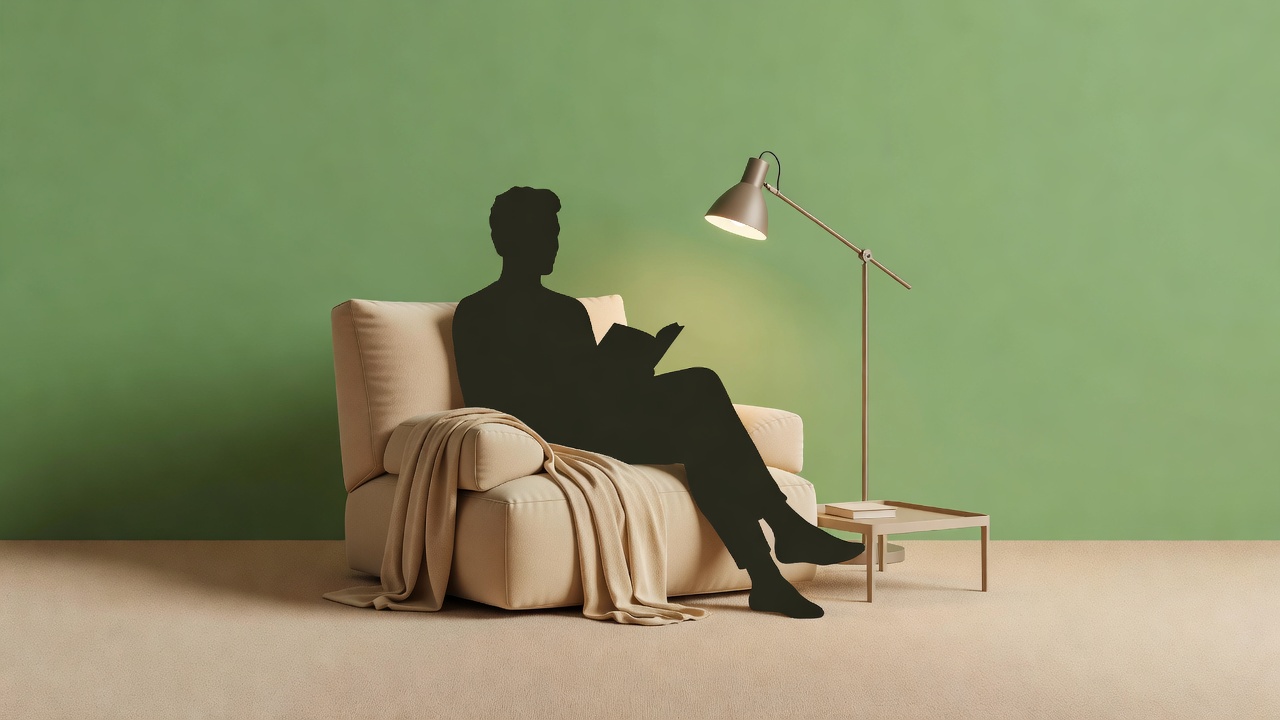
Home comfort is often described as an atmosphere you can purchase. In everyday life, it is more specific: the page is easy to see, the charger is reachable, the blanket is not too warm, and tomorrow’s essentials are not scattered across three rooms. Those small details can be addressed without redesigning the home.
Walk through the first few minutes after you arrive. Notice what you carry, where you set it down and what you need next. Then follow the last few minutes before leaving. The overlap often reveals the most useful organization project: one predictable place for the items that make the return journey with you.
Give daily essentials a landing zone
A shallow tray ranks highly for recurring key-and-card searches because it asks very little of the person using it. Put it on a stable surface close to the natural drop point, without blocking a doorway or creating an easy reach for young children when the contents are unsuitable. A bowl or spare dish can test the idea before any purchase.
Keep the purpose narrow. Keys, a transit card and perhaps sunglasses make a clear landing zone; unopened post, spare batteries and random cables turn it into a miscellaneous drawer without walls. Keep valuables out of public view, and consider whether the location is appropriate for your household’s security needs.
Light the activity, not an imagined room
A reading lamp is useful when it can place light on the page without uncomfortable glare or an awkward reach. Check the base, adjustment range, switch position and cord route. Move an existing lamp first to see whether the issue is placement rather than output. Keep cords away from walkways and do not route them where furniture can crush them.
Bulb compatibility and electrical safety come before decorative preferences. Follow the fixture’s specified bulb type and limits. The ENERGY STAR light bulb guidance explains useful lighting concepts, and Electrical Safety First provides household electrical safety information. A certification or efficiency label should be verified for the relevant market; it is not a blanket endorsement of comfort.
Rank comfort by the inconvenience
Landing tray: for the daily search
Choose a visible, reachable container with enough space for the small set of items you actually carry.
Adjustable lamp: for a poorly lit task
A stable light with convenient controls is useful when moving an existing lamp does not solve the problem.
Washable throw: for a chilly seat
Consider texture, size, warmth and care requirements. An existing blanket may already be the right answer.
Simple planner or list pad: for loose reminders
Use one place that you will check. A spare notebook or your existing calendar can be enough; a new format is not automatically a better system.
Useful when
A small item supports an existing behavior and is easy for the whole household to understand.
Less useful when
The system needs constant rearranging, duplicates storage or imposes a routine nobody wants to maintain.
Make upkeep part of comfort
| Item | Placement check | Maintenance check |
|---|---|---|
| Landing tray | Stable, convenient and appropriate for valuables | Empty and wipe; remove unrelated clutter |
| Reading lamp | No trailing cord or unstable base | Follow electrical instructions; inspect cable and fittings |
| Throw | Reachable without obstructing movement | Check washing label and realistic drying time |
| List pad | Visible at the point you use it | Review old tasks; dispose of sensitive notes securely |
Be cautious with comfort gadgets
Heated products, humidifiers and fragrance devices add safety and maintenance considerations that a cushion or tray does not. Do not choose one solely because it trends. Follow the specific product instructions, account for children and pets, and consider whether cleaning, water quality or electrical use makes the device unsuitable for your situation.
The U.S. Consumer Product Safety Commission and the UK product safety alerts, reports and recalls pages provide relevant safety information for their markets. Check recalls for the actual model rather than assuming a familiar category is risk-free. We do not present household accessories as treatments for sleep difficulties, pain or respiratory conditions.
Try the ordinary-item version first
Use a dish as a tray, bring an existing blanket to the chair you use and put a spare notebook beside the spot where reminders occur to you. Make one change at a time so you can tell whether it helps. The aim is not a permanently tidy home; it is a little less friction in the transitions you repeat.
If a purchase still makes sense, write down the constraint that matters: “fits this shelf,” “can be washed at home” or “switch reachable from this chair.” That short specification is a better guide than a broad promise of calm. A useful home accessory supports daily life without asking daily life to revolve around the accessory.